Clean Slate Maine is a bi-partisan organization working in Maine to pass and implement Clean Slate laws and expand who is eligible for record sealing.
Most are for old arrests, acquittals, or lowlevel convictions — not serious offenses. Employers, landlords, colleges and universities use background checks to screen out applicants with records – putting a meaningful second chance out of reach for many hard-working Mainers.
Clean Slate Maine is a bi-partisan organization working in Maine to pass and implement Clean Slate laws and expand who is eligible for record sealing.
Join the Clean Slate Maine Coalition for a Day of Action in support of LD 1911, legislation that would create an automated system to seal certain arrest or conviction records for individuals who meet specific requirements and have remained crime-free for a period of time.
On Thursday, March 5th, we’ll gather at the Maine State House to meet directly with Maine lawmakers and urge them to support LD 1911 . By passing LD 1911, we can provide an estimated 123,000 Mainers with an earned second chance by fully and automatically sealing their records.
We can open the door to good jobs, housing, education, and stability. We can give people and their families the chance to move forward without forever being defined by something in their past.
Participants will meet with legislators to share why automated record sealing is critical for fairness, economic opportunity, and community well-being across Maine. You’re welcome to bring your personal story, professional perspective, or simply your support for a more just system.
We’ll also share our LD 1911 one-pager to help guide conversations and ensure lawmakers understand the real-world impact of this legislation.
Your voice matters. We hope you will join us to advocate for this critical legislation!
Research shows that, even after accounting for the recipient’s employment history and broader economic trends, average quarterly wages rise by about 23% within a year of record sealing, an increase driven mainly by unemployed or marginally employed people being able to find work.
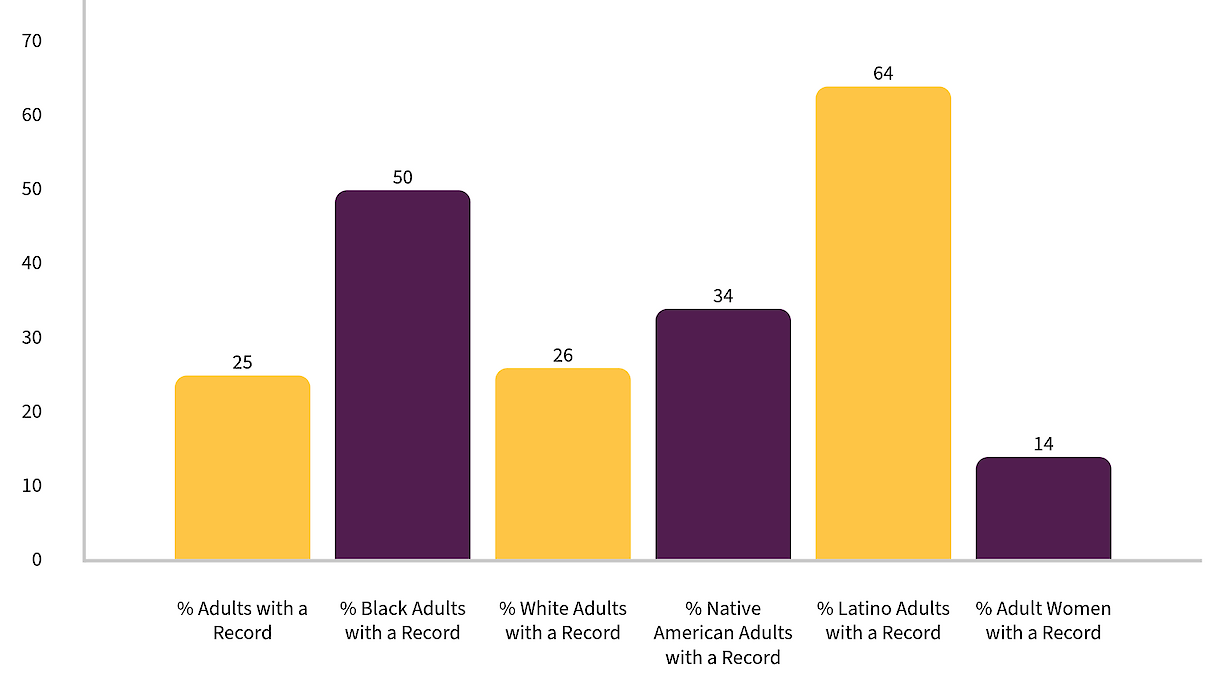
Data source: Clean Slate Initiative
Petition-based expungement creates a "two-tiered system of justice" where the wealthy can afford to hire an attorney and take time off work to attend court proceedings, while most working folks who have earned a second chance are left behind.
Automated-based sealing systems ensure that everyone eligible receives relief, especially those without legal help or limited financial resources.
At some point in our lives, we have all been given a second chance - whether from our parents, friends, or our congregations.
Research shows that people with sealed records are no more likely to reoffend than those without records. Sealed records allow folks greater access to stable employment and housing, which reduces the chances for reoffending.
Everyone wants to live in a safe community and know that their family is protected. Only people who remain conviction-free for 5-10 years after completing their sentence are eligible for record sealing. Serious and recent crimes are excluded, maintaining a balance between public safety and opportunity for redemption.
People who have served their time and demonstrated change have earned a second chance to rebuild their lives. Many Mainers are already eligible for record relief, but the current petition-based process is complex and underused. Clean Slate automates record sealing so everyone who qualifies can benefit, not just those with time, money, or legal help.
It’s a policy supported by both sides of the political aisle. Clean Slate laws have passed in both red and blue states, including Pennsylvania (the first, in 2018), Virginia, Utah, Oklahoma, New York, New Jersey, Michigan, Minnesota, Washington, D.C., Delaware, Connecticut, Colorado, California, and Illinois (October 2025). These laws reflect shared values of accountability, fairness, and public safety, all of which both Democrats and Republicans can agree on.


